Sperger, Gluck & Haydn
Programme
SPERGER Symphony in F ‘Arrival’
MOZART Oboe Concerto in C K.314
GLUCK Dance of the Blessed Spirits
HAYDN Symphony No.45 in F-sharp minor ‘Farewell’
About This Concert
Haydn’s famous ‘Farewell’ symphony gets its name from the ending, when each musician stops playing to leave just two muted violins – a hint to Prince Esterházy to allow his musicians and retinue to return home to their families after a long stay at his summer palace. Haydn’s contemporary, Johannes Sperger (1750-1812), amusingly inverts the trick in his ‘Arrival’ symphony, starting with two violins and building from there.
The celebrated Hanover Band, conducted by Leon Bosch, offers the opportunity to hear both works in this special final concert of the first LCMS series at St John’s Waterloo.
They also play Gluck’s hauntingly beautiful ‘Dance of the Blessed Spirits’, and with oboist Geoff Coates, Mozart’s much-loved Oboe Concerto.
Artists
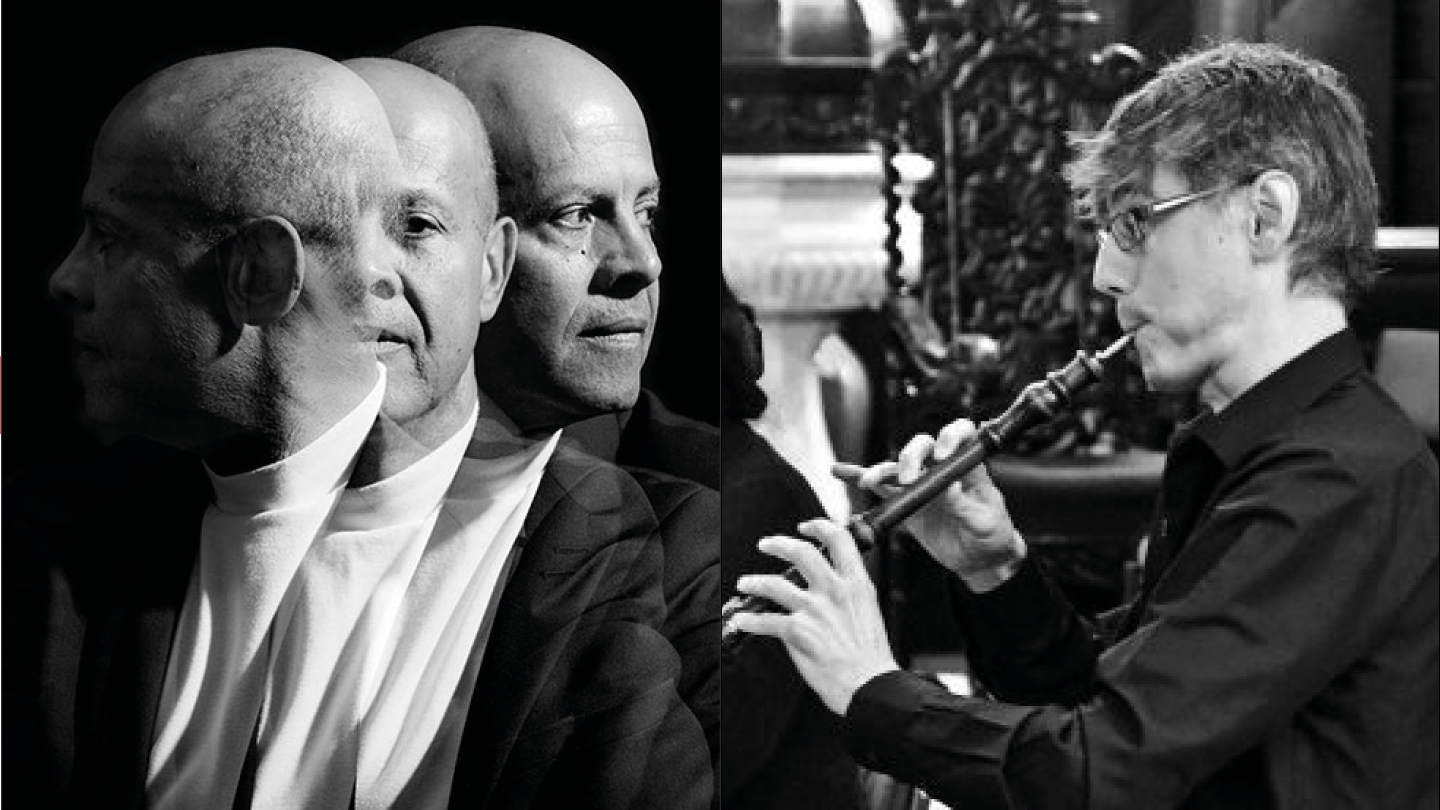
THE HANOVER BAND
Geof Coates oboe
Leon Bosch director